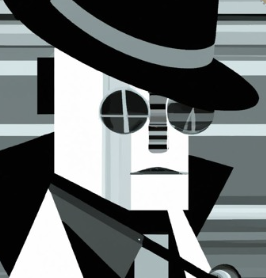
The Dead Bartle Sisters Saw You Coming
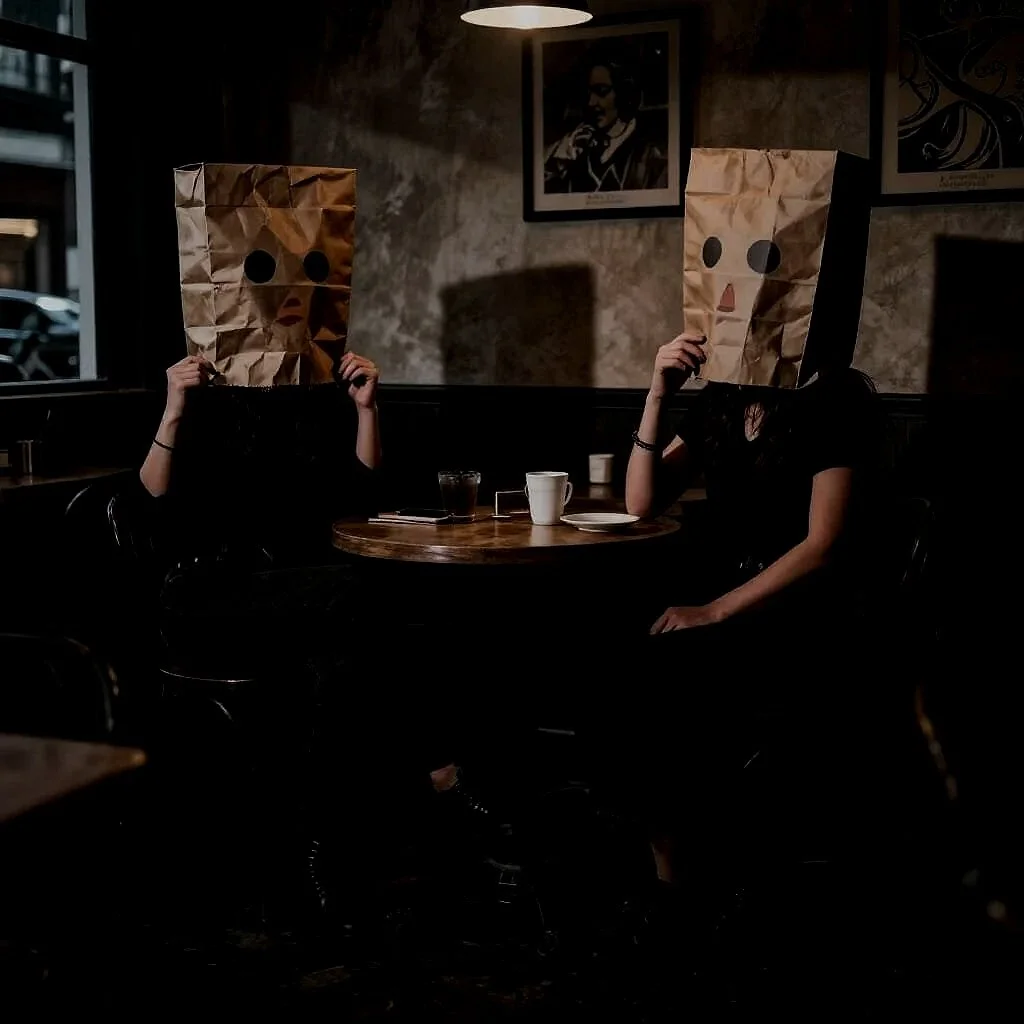
Affluent, ferociously over-educated, and quietly unhinged, they are the twin daughters of one of the original Sixties Weathermen. Not the nostalgic, coffee-table radicalism. The real thing. Which explains the posture. We meet them deep into a weekday night at a poetry venue that smells of old wood and newer disappointment. They perform in full Día de los Muertos make-up. During interviews, both wear brown paper bags over their heads. Eye-holes, obviously. This is not amateur hour.
They live in Brookline. They work dead-end jobs. This is not a contradiction; it is the point. The songs are spare, close-harmony folk, sung with surgical precision and moral hostility. Lyrically, they circle themes of coercive intimacy, predatory kindness, and the specific evil of girlfriends who know exactly what they are doing. No metaphor is left comfortably intact. Nothing is softened for the listener’s benefit.
Octavia, the elder by eleven minutes, does the talking. She is alert, amused, and already disappointed. Vespasia does not speak at all. She communicates exclusively through hand gestures, some codified, some invented on the spot. Octavia translates selectively. When pressed, she shrugs. “You don’t need everything subtitled.”
They have, it’s clear, seen every version of this interview before. They answer questions that haven’t been asked yet, then look at you as if mildly offended you were going to ask them anyway. They are quicker than their interlocutors and make no effort to hide it. Stupid questions are not corrected; they are punished with silence.
Asked about tools, platforms, the usual genuflections to process, they barely acknowledge the Entanglion. Octavia concedes that it “sped things up”, as one might mention a sharper knife. Vespasia makes a slicing motion, then a small, dismissive wave. Message received.
Within the Drogue House Collective, their position is unambiguous. They are the sharp end. The act everyone else measures themselves against and quietly resents. They know it. They do not need you to confirm it. Their intelligence is not performative; it is structural. The harmonies land because they are inevitable, not because they are pretty.
When they leave, there is no goodbye. Just the sense that you were briefly tolerated, and that next time you should come better prepared.